


If you’re planning a deck, you’ve almost certainly been told to “go composite”. It’s good advice for most Australian homes, but it isn’t magic, and a fair decision means knowing the downsides as well as the selling points. This guide covers both.
What is composite decking?
Composite decking boards are made from a core of plastic, often blended with wood fibre, with a tough polymer cap bonded around the outside. The cap carries the timber-look grain and protects the core from sun, water and stains.
There are two common types in Australia:
- WPC (wood-plastic composite): wood fibre blended with recycled plastic, usually with an HDPE cap. Our HOME range is a WPC board made from 95% recycled materials.
- PVC composite: a foamed PVC core with an ASA cap and no wood content. Our ADVANCED range uses this construction.
For the full comparison, read What Is WPC Decking.
Composite vs timber at a glance
| Composite | Treated pine / hardwood | |
|---|---|---|
| Ongoing upkeep | Wash with soap and water | Sand, oil or stain regularly |
| Splinters | No | Yes, as it weathers |
| Rot and termites | Resists both | Needs treatment and checks |
| Colour over time | Stable under its cap | Greys and fades without oil |
| Slip resistance | Tested ratings (e.g. R11, R13) | Varies, slippery when wet or mossy |
| Upfront cost | Higher | Lower (pine) to similar (hardwood) |
| Repairs | Replace a board | Sand, patch or replace |
The advantages
Far less maintenance. This is the big one. Composite never needs sanding, oiling or staining. A wash with soap and water keeps it clean, and a pressure washer (up to 1400 psi on a wide fan) handles a deeper clean.
No splinters, rot or termites. The capped board doesn’t crack and splinter like weathered timber, and it isn’t food for termites or fungus.
Tested safety ratings. Good composite boards come with slip ratings tested under AS 4586, and many are rated for bushfire-prone areas. Ours are certified up to BAL-29.
Consistent looks. Boards come out straight and true, with a timber grain embossed into the cap, and they hold their colour far better than raw timber.
Recycled content. Many WPC boards use recycled plastic and reclaimed wood fibre. HOME is made from 95% recycled materials.
The disadvantages (and how to manage them)
It costs more upfront. HOME boards start from around $125/m² and ADVANCED from around $190/m², supply only. Treated pine is cheaper on day one. Because composite skips years of oil and labour, the lifetime cost is closer than it looks. Our cost vs timber guide runs the numbers.
It can get warm in the sun. Any solid surface heats up in direct sun, and dark colours most of all. Choose a lighter colour for north- and west-facing decks. Our lighter colours also use NatureCool™ technology to stay cooler underfoot.
It can scratch. The cap resists everyday wear, but dragging furniture or dropping sharp tools can mark it. Use furniture with non-marring feet.
You can’t sand it back. Sanding removes the protective cap, so damage is fixed by replacing a board rather than refinishing. That’s another reason to choose a good board from the start.
It moves with temperature. Composite expands and contracts along its length, so installers leave end gaps and use breaker boards. Installing to the manufacturer’s guide is not optional.
Some things stain it. Rubber-backed mats and some plastic planters can leave a white mark. Use natural-fibre mats and put a heat-resistant barrier under BBQs.
How much does composite decking cost?
Board prices start from around $125/m² for WPC and $190/m² for PVC. On top of that you’ll pay for the subframe, clips and screws, fascia, and labour. The site matters too: height, access, stairs and the shape of the deck all change the price. Our decking calculator gives you a materials estimate for your exact area.
How is composite decking installed?
The process will feel familiar to anyone who has built a timber deck, with a few important differences:
- Build a flat, strong frame with joists at the right spacing. That’s 450 mm centres for HOME boards in a home, and closer for commercial jobs or angled boards.
- Leave ventilation: at least 150 mm over soil.
- Fix with hidden clips, never nails. Every board must sit on at least three joists.
- Leave end gaps to suit the temperature on the day, and use breaker boards on longer runs.
- Finish the edges with fascia boards or a picture frame.
Confident DIYers can follow our step-by-step DIY guide, or you can find a WoodEvo Recommended Installer near you.
Is composite decking right for you?
If you want a deck you can enjoy rather than maintain, composite is hard to beat. If budget is tight on day one, or you love the idea of sanding and oiling a hardwood deck every year, timber may still suit you. Either way, see and touch the boards before deciding. Order a free sample kit and compare them in your own backyard.
Frequently asked questions
What are the disadvantages of composite decking?
Higher upfront cost, surfaces that warm up in direct sun (especially dark colours), the fact it can’t be sanded back, and the need to allow for expansion during installation.
Does composite decking fade?
Capped boards are built to hold their colour far better than timber, with no oil or stain needed. Colour can vary slightly between production batches, so order your whole job at once.
How long does composite decking last in Australia?
Quality capped boards are built to last decades. HOME is backed by a 25-year residential warranty and ADVANCED by 30 years.
Can I install composite decking myself?
Yes, if you’re comfortable building a level frame and following the installation guide closely. Correct joist spacing, ventilation and gaps are what keep the warranty valid.
See WoodEvo for yourself
Order free samples, or get matched with an accredited installer near you.
Similar Articles
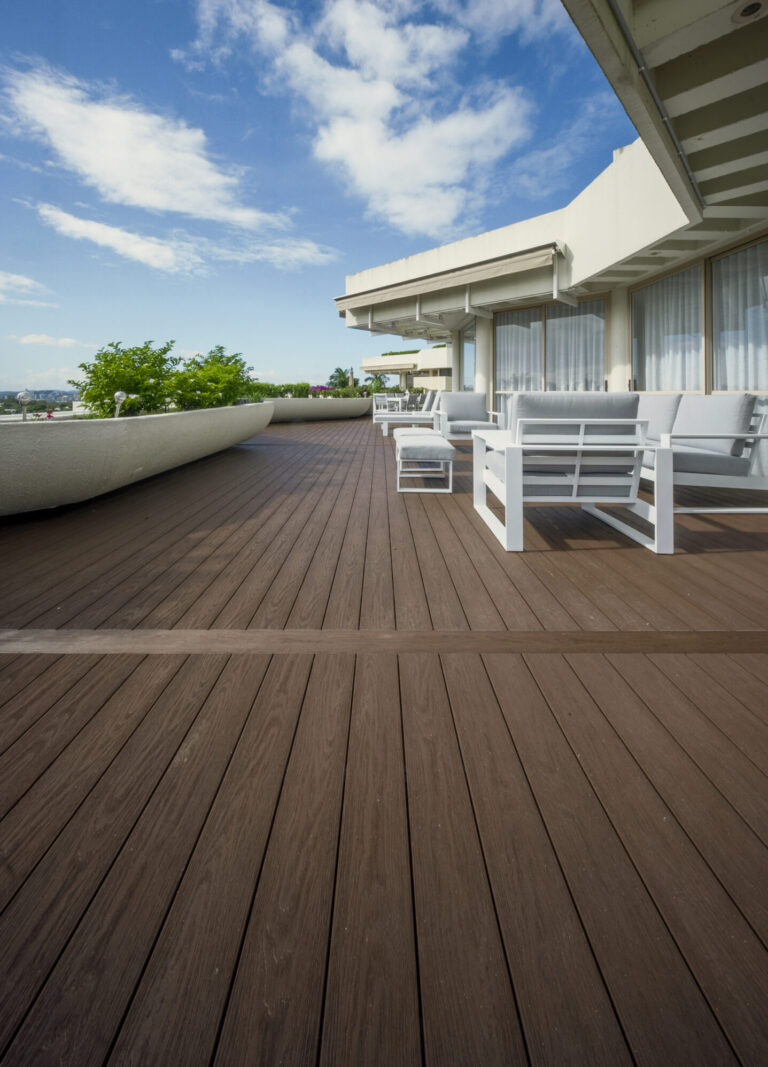
Best Composite Decking in Australia: 9 Things to Check Before You Buy
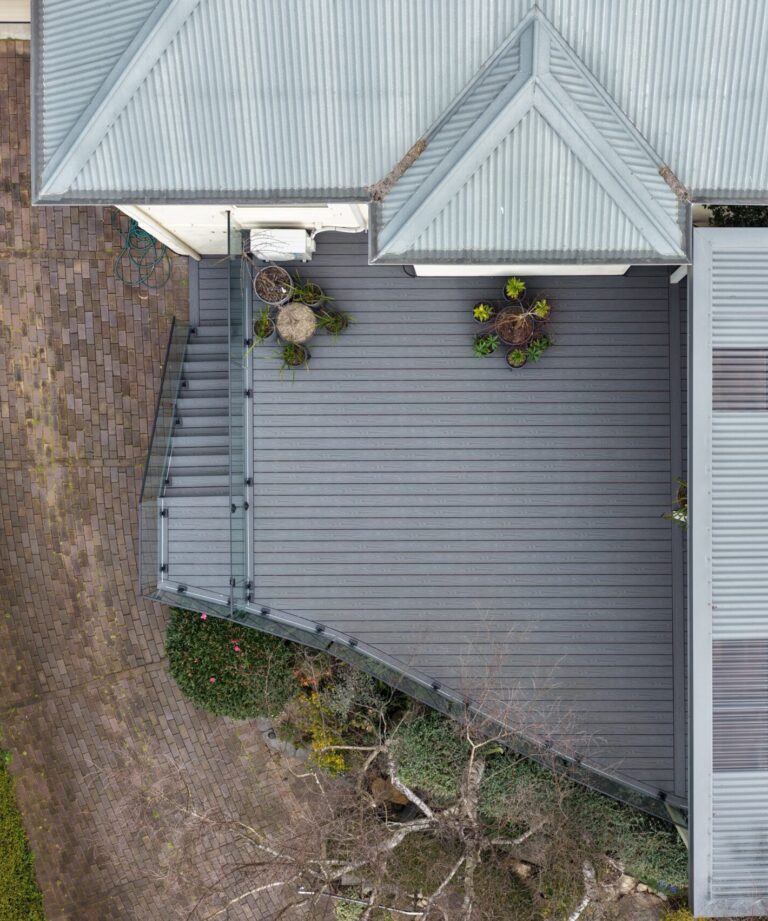
Does Composite Decking Add Value to Your Home?
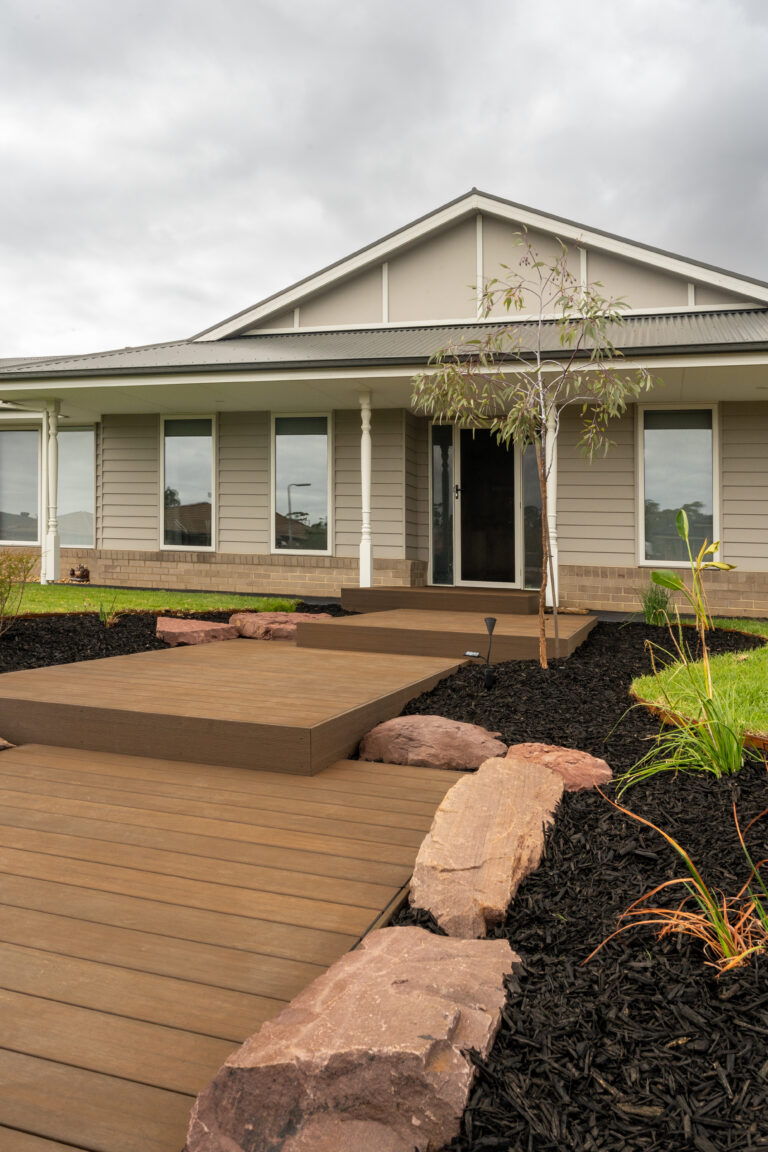
What Is WPC Decking and Why It’s Perfect for Australian Weather

Analysing the True Composite Decking Cost vs Timber
Plastic Decking Myths Busted: Sustainability and Durability

Why WoodEvo is Rated the Best Composite Decking in Australia