


Most decking quotes only show one number: the price to build the deck. That figure rarely tells the whole story. Timber decking carries an ongoing bill for oiling, staining and repairs that composite decking simply does not have. This guide breaks down composite decking cost against timber decking cost per m², so you can see which material costs less once the maintenance bills are added up.
What Does Composite Decking Cost in Australia?
Composite decking cost varies by board quality, sub-frame material and site complexity, but most fully installed composite decks in Australia sit somewhere between $280 and $700 per square metre. Our HOME range boards start from around $125 per square metre supply-only, with the sub-frame, fixings and labour making up the rest of the installed price. Larger, simpler-shaped decks tend to bring the decking cost per m² down, since setup and delivery costs are spread across more area.
What Does Timber Decking Cost Upfront?
Timber decking often looks cheaper on paper. Treated pine typically installs for around $180 to $350 per square metre, while hardwood species such as merbau or spotted gum can run from $300 up to $600 per square metre installed. On the surface, timber decking cost can match or undercut composite. The difference shows up later, once the deck needs its first coat of oil.
The Hidden Cost Timber Homeowners Forget
Timber decking needs regular oiling, staining or sealing to stop it fading, cracking and splintering in the Australian sun. Professional sanding and oiling typically costs around $25 to $60 per square metre, and most timber decks need oiling once or twice a year. On a modest 40 square metre deck, that is roughly $1,000 to $2,400 each time, before replacing damaged boards is even considered. WoodEvo’s HOME range skips all of this. It needs nothing more than an occasional wash with mild soap and water: no sanding, no staining, no sealing.
Composite vs Timber: The Long-Term Cost Picture
Add up a decade of oiling and staining, and the upfront price gap between timber and composite starts to close quickly. Independent Australian cost guides put professional sanding and oiling at around $25 to $60 per square metre, and hardwood decks typically need it every one to two years. On a 50 m² deck, that is roughly $1,250 to $3,000 each time, or around $12,500 to $30,000 over 20 years, before any board replacements. Composite decking needs no oiling, sanding or staining, only an occasional wash. Because composite often sits close to hardwood pricing upfront, it can pull ahead within the first few maintenance cycles. For homeowners planning to stay in their property long term, that maintenance saving is often the deciding factor over the initial composite decking cost.
Is composite decking more expensive than timber?
Composite decking usually costs more upfront than treated pine, though it often sits close to hardwood pricing. Once the yearly cost of oiling and staining timber is added in, composite decking such as our HOME range typically works out cheaper across the life of the deck.
Timber vs Composite Decking: 20-Year Cost Comparison
|
Decking material |
Installed cost per m² |
Typical 50 m² deck (installed) |
Ongoing maintenance |
Estimated 20-year total |
|
Treated pine |
$180–$350 |
$13,000 |
Sanding and oiling every 1–2 years |
$25,500–$43,000 |
|
Merbau (hardwood) |
$300–$550 |
$21,000 |
Sanding and oiling every 1–2 years |
$33,500–$51,000 |
|
Spotted gum (hardwood) |
$350–$600 |
$24,000 |
Sanding and oiling every 1–2 years |
$36,500–$54,000 |
|
Composite |
$280–$700 |
$27,500 |
Occasional wash only; no oiling, sanding or staining |
Around $27,500 |
Typical deck prices are based on average installed rates. The 20-year totals add professional sanding and oiling at $25–$60 per square metre every second year. Annual oiling, board replacements or repairs would push timber costs higher. Figures are indicative and inclusive of GST. Source: What’s The Damage? Decking Cost Australia 2026. Get a site-specific quote before budgeting.
Why Our HOME Range Changes the Equation
Our HOME range is built from HDPE-capped WPC (wood-plastic composite) using 95% recycled materials, so the ongoing decking cost stays close to zero once it is installed. It carries a 25-year residential warranty, an R11 slip rating and a BAL-29 fire rating for homes in bushfire-prone areas. Lighter colours in the range also use NatureCool technology, which keeps the board surface up to 10 to 20 degrees cooler than standard boards in summer, so the deck stays usable on the hottest days without the upkeep timber demands.
How to Budget for Your Own Deck
Before comparing quotes, it helps to know roughly how many square metres you are working with. Our Deck Calculator helps estimate material quantities so you can compare composite decking cost against timber like for like. For a deeper breakdown of everything that feeds into a decking quote, from sub-frame choice to council approvals, see our full guide to decking cost in Australia.
Get an Accurate Cost Estimate for Your Deck
The best way to compare composite decking cost with timber for your own project is to run the numbers on your actual deck size. Try our Deck Calculator to estimate materials, then explore the HOME range or order a free sample to see the quality for yourself before you commit.
Frequently Asked Questions
How much does composite decking cost per m² in Australia?
Composite decking typically costs between $250 and $450 per square metre fully installed, depending on board tier, sub-frame material and site conditions.
Does composite decking really save money over timber long term?
Yes, for most homeowners. While the upfront decking cost can be higher, removing annual oiling and staining bills often means composite pays for itself within five to seven years.
What ongoing costs does composite decking avoid?
Composite decking removes the need for sanding, oiling, staining and sealing, along with the labour and product costs those jobs carry every year.
Similar Articles
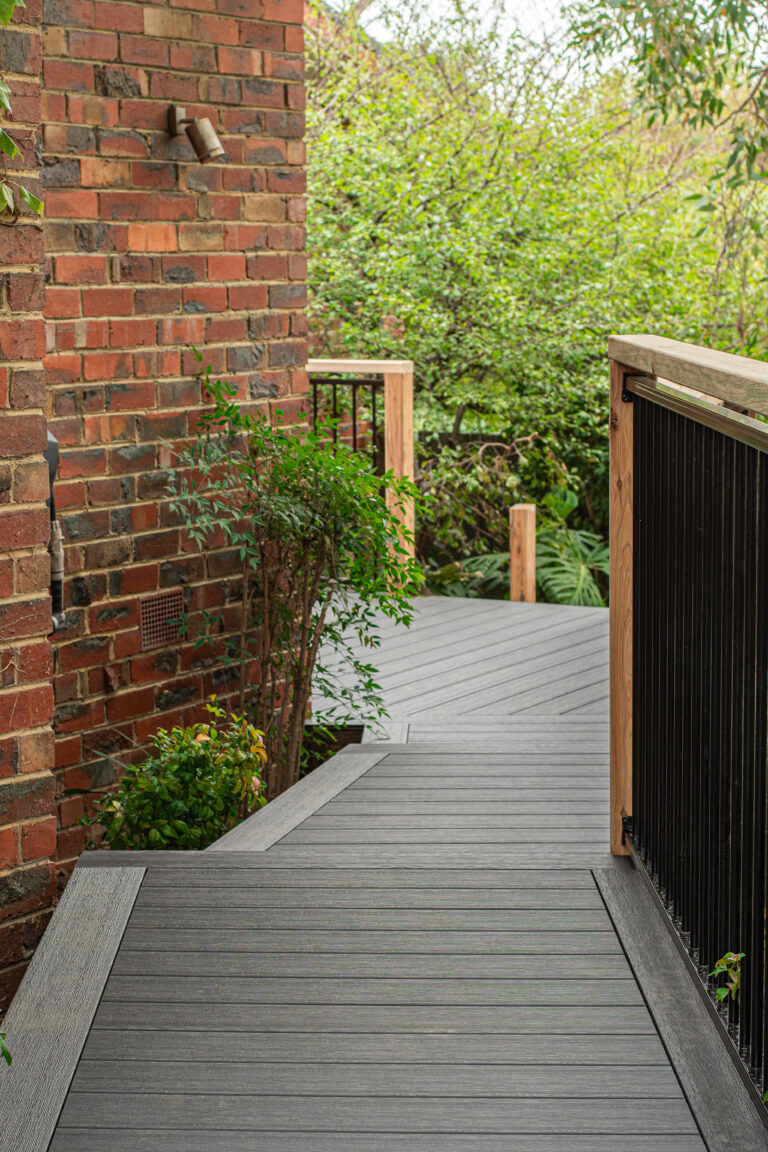
The Top Choice for Composite Decking in Melbourne
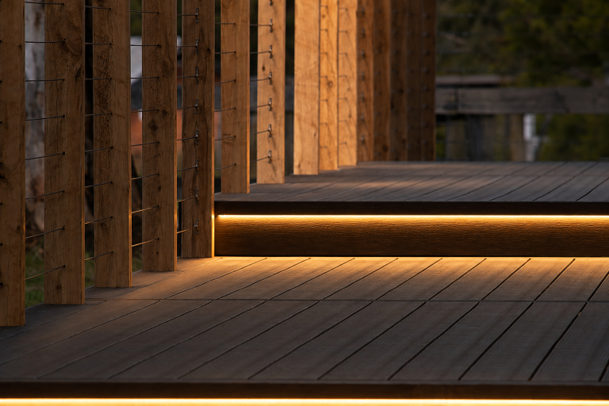
Bright Ideas: Deck Lighting Options for Composite Decking Boards
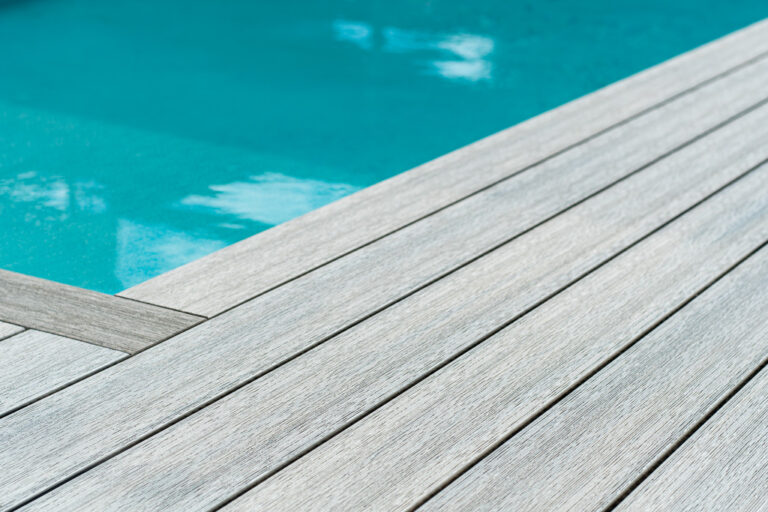
Composite Timber Decking Ideas for Your Home
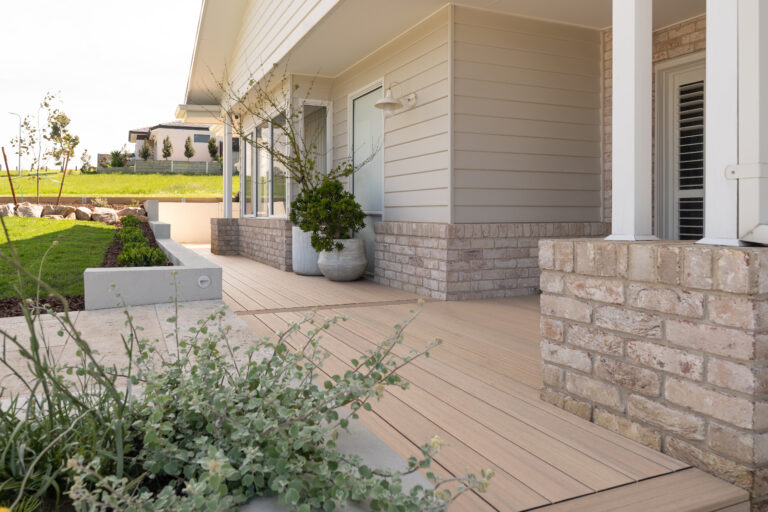
Where to Buy Composite Decking in Brisbane for Your Summer Project
What Is WPC Decking and Why It’s Perfect for Australian Weather
Plastic Decking Myths Busted: Sustainability and Durability
5 Questions to Ask Before Hiring Deck Builders

Why WoodEvo is Rated the Best Composite Decking in Australia

Decking Cost in Australia 2026: What You’ll Actually Pay Per m2

DIY Decking: A Step-by-Step Guide to Installing WoodEvo

Essential Deck Maintenance Tips for Long-Lasting Beauty
