


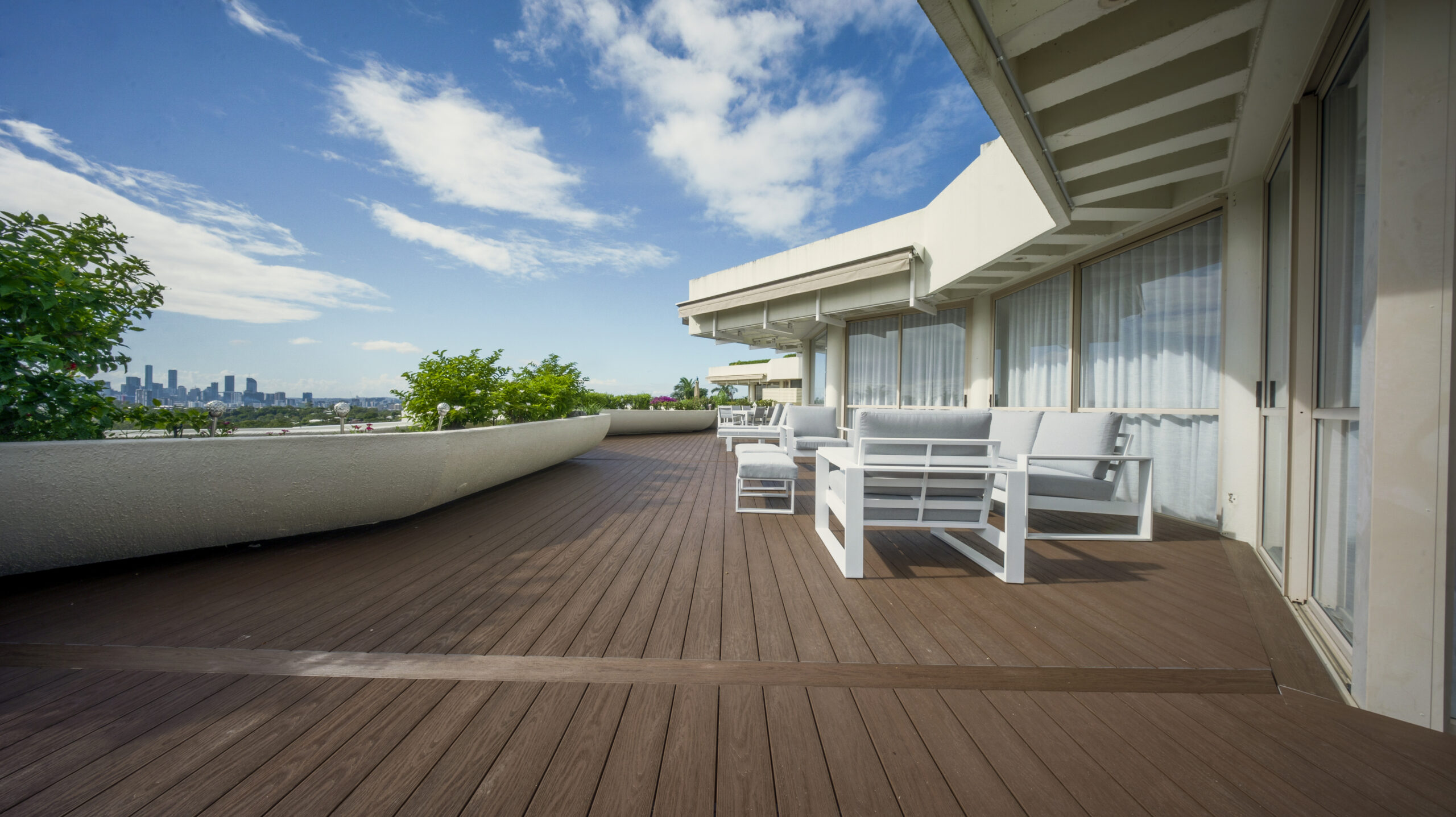
Plastic decking, more accurately known as composite or wood-plastic composite (WPC) decking, has become one of the most searched-for alternatives to timber in Australia. But along with its rise in popularity, a few persistent myths have followed it around, from claims that it’s bad for the environment to doubts about how long it really lasts. It’s time to set the record straight. Here are five of the biggest myths about plastic decking, busted with facts, and a look at how WoodEvo’s composite and PVC ranges are engineered specifically for Australian conditions.
Myth 1: Plastic Decking Is Bad for the Environment
This is the myth that puts off the most eco-conscious buyers, and it’s largely outdated. Wood-plastic composite decking is made by combining recycled plastics with wood fibres, which means every board diverts material that would otherwise end up in landfill. WoodEvo’s HOME range decking, for example, is made from 95% recycled materials and is GlobalGreenTag certified, an independent mark of environmental performance and responsible manufacturing. Choosing composite decking over freshly harvested hardwood also reduces demand on native timber resources, making it a genuinely more sustainable choice for your outdoor space.
Myth 2: Plastic Decking Looks Fake
Early generations of composite decking earned this reputation, but modern capped composite and PVC boards have moved a long way from that flat, plastic-looking finish. WoodEvo’s HOME range comes in nine colours, including Barossa, Basalt, Charcoal, Hampton, Nordic, Snow White, Tallowwood, Teak and Vic Ash, each engineered with a realistic timber grain finish. The ADVANCED range adds six premium colourways, including the recently released Blackbutt, Antique Silver, Oak, Sandstone, Smoked Ash and Victorian Maple. The result is decking that delivers the warmth and texture of natural timber, without anyone needing to know it isn’t.
Myth 3: Plastic Decking Won’t Last, It Fades and Cracks
This myth often comes from comparing composite decking to cheap, uncapped products, or to real timber that has been left unmaintained. Quality composite and PVC decking is built to withstand exactly the conditions that cause timber to fail. WoodEvo boards carry a BAL29 bushfire rating, R11 or R13/P5 slip resistance rated to AS 4586:2013, and UV Colour Fast technology to resist fading under Australia’s intense sun. They’re also CodeMark certified, meaning they comply with the National Construction Code, and are backed by warranties of up to 25 years residential on the HOME range and 30 years residential on the ADVANCED range. That’s a level of durability real timber simply can’t match without constant upkeep.
Myth 4: All Plastic Decking Is the Same
Not even close. There’s a real difference between wood-plastic composite (WPC) decking and PVC decking, and choosing the wrong one for your project can affect performance. WoodEvo’s HOME range is an HDPE-capped WPC product, positioned as accessible, family-friendly decking for residential backyards. The ADVANCED range is a step up again: a foamed PVC core with ASA capping, and Australia’s first and only CodeMark certified PVC decking, built for architects, builders and high-traffic commercial and residential applications. Understanding this difference helps you choose the right product for your budget, application and performance needs, rather than assuming all plastic decking behaves the same way.
Myth 5: Composite Decking Isn’t Worth the Cost
When you compare the upfront price of composite decking to timber, it’s easy to assume timber is the cheaper option. But that comparison misses the full picture. Timber decking needs regular sanding, oiling and staining, and is prone to warping, splintering and rot over time, all of which add up in both dollars and weekends spent maintaining it. WoodEvo was built on the idea that you shouldn’t have to choose between the beauty of timber and the practicality of modern materials. With no ongoing maintenance and warranties running up to 30 years, the total cost of ownership over the life of a deck is where composite and PVC decking really earns its value.
How to Verify What You’re Buying
Not every plastic decking product on the market is held to the same standard, so it pays to check the credentials behind the marketing claims. Look for independent certifications rather than taking sustainability claims at face value. CodeMark certification confirms a product complies with the National Construction Code, supporting streamlined approvals on your build. GlobalGreenTag certification is an independent assessment of a product’s environmental performance and responsible manufacturing. WoodEvo’s HOME and cladding range carry GlobalGreenTag certification, and the HOME, ADVANCED and cladding ranges are all CodeMark certified, giving you documented proof, not just a claim, that the recycled content, durability and compliance stack up.
The Bottom Line
Plastic decking has come a long way, and most of the myths surrounding it simply haven’t kept pace with how the product has evolved. Modern composite and PVC decking from WoodEvo is made with recycled materials, engineered specifically for Australian UV intensity, coastal salt air and temperature extremes, and backed by certifications and warranties that timber can’t offer. If you’re weighing up your options, order a free sample to see and feel the quality for yourself, or use the Decking Calculator to start planning your project.